“Eating healthy nutritious food is the simple and the right solution to get rid of excess body weight effortlessly and become slim and healthy forever.” – Subodh Gupta

“Diet is the essential key to all successful healing. Without a proper balanced diet, the effectiveness of herbal treatment is very limited.” – Michael Tierr

"You cannot achieve environmental security and human development without addressing the basic issues of health and nutrition."-Gro Harlem Brundtland

"My best nutrition tip is to eat things you like that are low in calories and fat. Some of my favorites are chicken, rice, assorted veggies, egg white omelets, turkey sandwiches and protein shakes." Nate Holland

"Investing in early childhood nutrition is a surefire strategy. The returns are incredibly high."-Anne M. Mulcahy

Friday, 2 June 2017

Everything You Need To Know About Water Retention

What Is Water Retention? 

Water retention is also known as fluid rentention .It is likewise known by its more restorative term, edema. This is a condition that outcomes when water spills into the body tissues from the blood. In typical conditions, the fluid is depleted from the body tissues through the lymphatic framework .A system of tubes all through the body that evacuates squander and superfluous material, and purges it once again into the circulation system.

Image result for SYMPTOMS OF WATER RETENTION

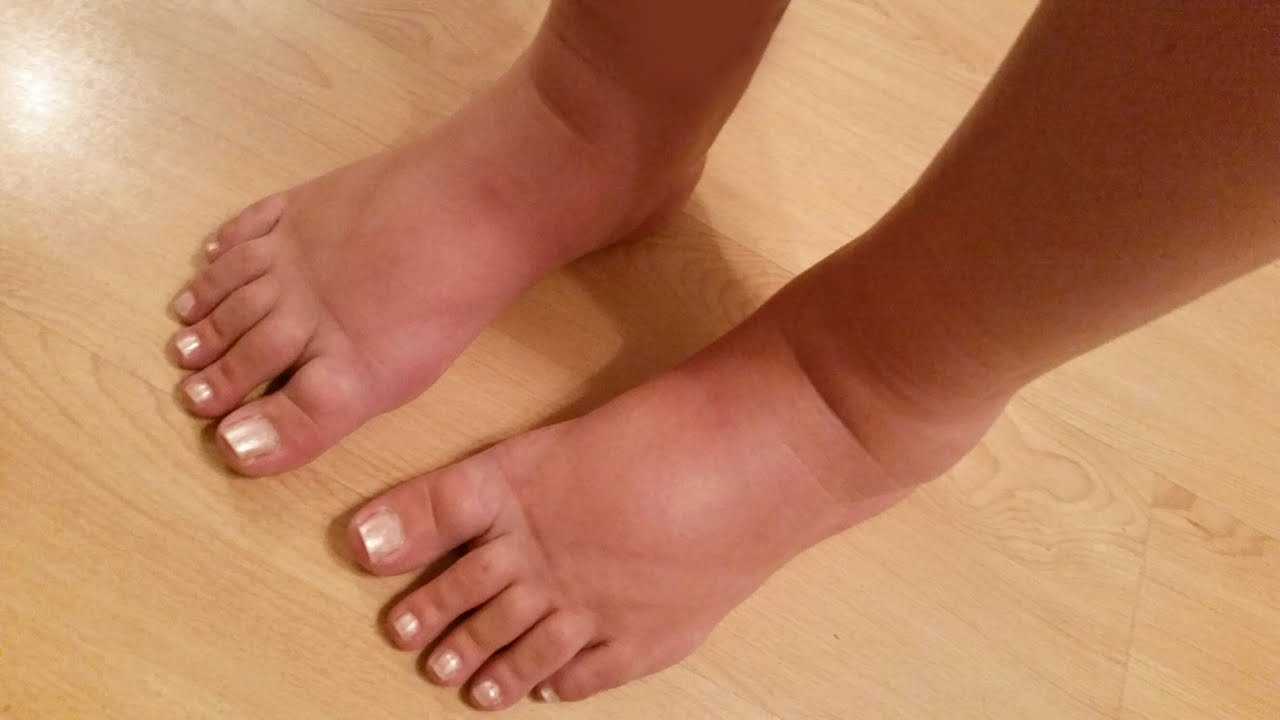
Water retention issues emerge when fluid is not evacuated by the lymph framework legitimately; it is held in the body tissues where it causes swelling .Water retention in the body is most regular in the feet and legs, yet it can happen in the hands, arms, stomach cavity and around the lungs (known as pneumonic edema).

What Are The Types Of Water Retention ?

Fundamental classes of water retention, summed up edema and limited edema. Summed up edema alludes to swelling that happens all through the body while confined edema alludes to the swelling in particular parts of the body.

  • Water Retention and Weight Gain 

It is extremely normal for even sound grown-ups to experience weight variances because of water retention, which represent numerous everyday vacillations on the scale. While the vast majority can hold up to five pounds of "concealed" water weight inside the characteristic fluid that encompasses cells, known as additional cell fluid, the individuals who are overweight or experience the ill effects of corpulence individuals may hold up to eight to ten pounds.

  • Water Retention and Menopause 

Image result for Water Retention and Menopause

As ladies enter menopause, about 90% will put on weight from a move in hormones. While most ladies hope to encounter hot flashes, many are shocked by weight changes. Be that as it may, some of this weight is simply appearance-based because of water retention and bloating from diminished progesterone levels. While this isn't fat-related weight increase, numerous ladies will see an adjustment in the way their garments fit and experience the sentiment being heavier.

  • Water Retention and Hypertension 

Hypertension and water retention go as an inseparable unit, as hypertension can come about because of an excessive amount of fluid in ordinary veins or from typical fluid in limited veins. Circulatory strain measures the drive of blood against the dividers of your veins, and in the event that it stays high after some time is called hypertension. It is along these lines imperative to oversee fluid levels, which can influence circulatory strain.

What Are The Symptoms Of Water Retention ?

Symptoms of water retention  

Image result for Swollen legs, feet, and lower legs WATER RETENTION SYMPTOMS

  • Bloating, particularly in the stomach range 
  • Swollen legs, feet, and lower legs 
  • Puffiness of the mid-region, face, and hips 
  • Stiff joints 
  • Weight vacillations 
  • Indentations in the skin,
A Number Of Factors Can Cause Water Retention, including

  • Flying in a plane- Changes in internal compression and sitting for a developed timeframe may make your body clutch water. 
  • Standing or sitting too long- Gravity keeps blood in your lower furthest points. It's imperative to get up and move around often to keep blood flowing. On the off chance that you have a stationary occupation, plan time to get up and stroll around. 
  • Menstrual changes and fluctuating hormones 
  • Eating an excess of sodium-You may get excessively sodium by utilizing a great deal of table salt or ingesting prepared nourishments and soft beverages. 
  • Medications
Some medications have water retention as a side effect. These include

Image result for Blood weight medicines WATER RETENTION

  1. Chemotherapy medicines 
  2. Over-the-counter (OTC) torment relievers 
  3. Blood weight medicines 
  4. Antidepressants 
What Are The Remedies For Water Retention ?

Remedies For Water Retention 

1. Follow a low-salt diet

Attempt to restrain your admission of sodium to close to 2,300 milligrams for every day. This implies shopping the edge of the market and not eating prepared, bundled sustenances. Have a go at adding flavors rather than salt to flavor vegetables and lean proteins.

2. Add in potassium- and magnesium-rich foods

They will help offset your sodium levels. Alternatives include

Image result for Add in potassium- and magnesium-rich foods WATER RETENTION REMEDIES


  • Bananas 
  • Avocados 
  • Tomatoes 
  • Sweet potatoes 
  • Leafy vegetables, for example, spinach 
3. Take a vitamin B-6 supplement 

As indicated by a review distributed in the Journal of Caring Sciences, vitamin B-6 fundamentally assisted with premenstrual symptoms like water retention.

4. Eat your protein 

Image result for PROTEIN

Protein draws in water and keeps your body adjusted. An uncommon protein called egg whites keeps fluid in the circulatory system and keeps it from spilling out and bringing about swelling.

5.Keep your feet elevated

Hoisting your feet can help move the water upward and far from your lower limits.

6. Wear compression socks or leggings

Image result for Wear compression socks or leggings FOR WATER RETENTION REMEDIES
Pressure socks are ending up plainly more famous and less demanding to discover. They are accessible at athletic attire stores and numerous online destinations. Pressure socks are made to fit tight. They may even feel somewhat awkward at first. The motivation behind pressure clothing is to crush your legs and keep fluid from amassing.

7. Seek your doctor’s help if your problem persists

Your specialist may recommend a diuretic pharmaceutical to make you urinate more.

What is a Joint paint and Its Causes

Joint pain can be an upsetting and weakening background, contingent upon the level of harm present in the joint. There are numerous therapeutic protests that can be related with joint pain, from gout to rheumatoid joint pain, making it hard to decide the reason for your inconvenience. Here at A.Vogel Talks Joint Pain, our muscles and joints consultant Earle Logan depicts the causes and symptoms of joint pain and examines how the distress can be dealt with utilizing home grown and home cures.

An introduction to joint pain :

                  Image result for joint pain

Joint pain can emerge from a wide assortment of causes. Contingent upon the issue, at least one joints can end up noticeably aroused or painful.

The joints in our body are unpredictable structures comprising of bones, muscles, tendons, ligaments and different tissues. Harm or harm to a joint can include any of these structures and along these lines, it is now and again hard to be exact as to which of these are the reason for pain. Frequently, all parts of the joint are influenced and turned out to be kindled.

The most normally influenced joints are the knee and the hip. This is on account of these joints are adaptable and have an extensive variety of development. They additionally withstand a ton of stress and bear about the greater part of your weight.


What are the symptoms of joint pain? 

                      Related image

Symptoms of joint pain fluctuate from individual to individual and furthermore rely on upon the reason for the joint pain. Be that as it may, notwithstanding this assortment, many individuals will involvement:

  • Solidness, where developments in the joint turn out to be more restricted as a result of pain 
  • Swelling of the joint 
  • Loss of capacity of the joint 

The seriousness of your symptoms will rely on upon the level of harm to your joint. A joint that turns out to be warm to touch recommends continuous serious aggravation or disease – conditions which constitute a medicinal crisis.

What are the causes of joint pain? 

             Image result for What are the symptoms of joint pain

Pain in at least one joints can come about because of an assortment of moderately normal wellbeing conditions. While generally connected with expanding age, joint pain is not selective to the elderly. For example, a donning damage, for example, a lower leg sprain can bring about extreme joint pain with swelling in the joint, restriction of development and alternate symptoms depicted previously.

The most common causes of joint pain seen in the general public are
  1. Injuries
  2. Osteoarthritis
  3. Rheumatoid arthritis
  4. Gout
  5. Other causes, such as an infection or tumour

1. Injuries :

            Image result for Injuries in joint pain

This is likely the most widely recognized reason for joint pain and will have been experienced by the greater part of individuals sooner or later in their lives.

Injuries to joints can come about because of games wounds, falls, other straightforward mischances, for example, 'going over your lower leg' and other comparative circumstances where powers applied on a joint surpass their outline abilities.

The joint structures most usually harmed in these wounds are the tendons holding the bones together. On the off chance that the harm is extreme, more than one tendon might be harmed, burst or seriously torn. Muscles and related ligaments encompassing the joints may likewise wind up noticeably harmed and kindled.

The most widely recognized of such joint wounds is the sprained lower leg taken after by harm to the tendons of the knee – the exemplary footballer's damage.


2. Osteoarthritis :

           Image result for Osteoarthritis in joint pain

Osteoarthritis, now and again likewise alluded to as 'wear and tear' joint inflammation, is presumably the second most basic reason for joint pain. The issue is seen with more established individuals and ordinarily begins with one or here and there two joints.

The vast, weight bearing joints, for example, the hips or the knees are regularly the initial ones to end up noticeably painful. Osteoarthritis of the bones in the lumbar spine can offer ascent to lumbago (low back pain) and comparative wear and tear of the spinal bones of the neck can, now and again, offer ascent to neck pain.

3. Rheumatoid arthritis :

              Image result for Rheumatoid arthritis in joint pain

Rather than osteoarthritis, rheumatoid joint inflammation is a condition which can offer ascent to joint pain from a moderately youthful age. It is a condition specialists depict as an immune system disease – where the body's invulnerable framework, typically intended to assault attacking living beings, for example, microscopic organisms and infections, assaults its own particular cells.

Regularly, rheumatoid joint inflammation causes pain in various joints at the same time. Not at all like osteoarthritis, the littler joints, for example, those in the hands and feet, have a tendency to be included first.

The symptoms of rheumatoid joint pain can go back and forth. 'Flare ups' of pain, are mixed with calmer sans pain periods. It is a genuine restorative condition which ought to, in the principal occasion, be overseen by a specialist or healing center pro.


4. Gout :

                    Image result for Gout in joint pain

Gout is a metabolic issue where uric corrosive gems hasten out of the blood and settle in joints and different tissues. Uric corrosive precious stones inside joints will set off an incendiary response, offering ascend to swelling and pain.

The joints of the enormous toes are traditionally the initial ones to be influenced. Different joints, for example, the knees, elbows and fingers can likewise be included.

5. Other causes :

Joint pain can likewise be the consequence of various uncommon wellbeing conditions. Some of these are:

  • Joint diseases 
  • Different diseases (eg. Lyme illness, gonorrhea) 
  • Bone tumors 
  • Unfavorably susceptible responses to prescription 
  • Immune system ailments 
  • Intemperate admission of vitamin A 

The majority of the conditions above are not kidding and ought to be overseen by a specialist. You ought to likewise observe your specialist if your joint pain is serious and undiscovered, or compounding. In the event that you don't see a change following 4 weeks of self-prescription you ought to likewise look for therapeutic consideration.

6 Things Your Joint Pain Is Trying To Tell You:

            Image result for 6 Things Your Joint Pain Is Trying To Tell You

We're all probably a little too familiar with joint pain, but less so with the outlier conditions than can cause it (it's not always arthritis and osteoarthritis). Though many things can contribute to the ache, here are 6 to think about:

You're having a reaction to your meds

Meds may be designed to treat you, but certain ones, particularly antibiotics like penicillin, could cause a reaction that fuels your agony. "You could develop an inflammatory antibody response to something you're taking," says Lynn Webster, MD, past president of the American Academy of Pain Medicine. But here's what distinguishes it from other causes: You'll see the effects pop up all over your body, he says. You could develop a skin rash, your eyes may look red, and you might find yourself suffering from GI irritation. If you notice joint pain along with these other symptoms, ask your doctor to compare when your symptoms started to when you began taking something new (this kind of response often crops up within one to three weeks of starting a new medication). Antihistamines or corticosteroids can relieve symptoms.


You've got gout :

This painful condition is caused by a build up of uric acid, which forms crystals that cause inflammation in your joints. (People at higher risk of gout include those with a family history of the disease, people who drink too much alcohol, are overweight, or eat a lot of foods high in purines like meat and seafood.) You've probably heard of people suffering a gout attack in their big toe—and that's where it often strikes first, but it can also develop in other areas like ankles and knees. Though gout more commonly affects men, women aren't immune. "We see it most often in women 20 years after menopause," says Webster. Along with considering your symptoms, your doctor may draw fluid from a joint to look for crystals to confirm a diagnosis. As for treatment, your doc may recommend pain-relieving meds like NSAIDS that tamp down inflammation. Making time for regular exercise and laying off the booze can also help.


You may have sarcoidosis :

A healthy immune system fends off whatever's trying to make you sick. But if you have sarcoidosis, an inflammatory condition, there's a break in this action, causing immune cells to form clusters in different organs and leading to symptoms like fever, fatigue, and wheezing. And according to a 2010 study, as many as one-quarter of sufferers also experience a type of sarcoidosis arthritis, aka joint pain. Even stranger? People often notice flare-ups during the spring (scientists aren't sure why). Luckily, you'll get sweet relief soon, as most joint symptoms disappear in a few months, and people suffering from sarcoidosis arthritis generally go into remission within six months of starting at NSAID or steroid regimen.


You've got Lyme disease :

Little ticks can leave quite a bite: Those that carry a certain type of bacteria can give you Lyme disease. You don't always get a telltale bulls-eye rash (or, for that matter, notice if you've been bitten), but if the infection goes undiagnosed or untreated, it can spread around your body within weeks, according to the American College of Rheumatology. It may manifest as headache or fever, and joint pain is common, too. And symptoms can become chronic, lingering long after treatment, according to a study by Johns Hopkins researchers. The study found that Lyme disease patients were five times more likely to be diagnosed with problems like fatigue and joint pain compared to healthy individuals. If you're suffering from both, ask your doctor if you could be dealing with Lyme. (Check out this map to see how common Lyme is in your area.)


You've got fibromyalgia :

Women are far more likely than men to experience this painful condition, which can be triggered by many things, including stress. "It's believed that this is an inflammatory response in the central nervous system that sends out pain signals around the body," says Webster. In one 2014 study, MRI scans showed that the brain may overreact to sensory cues (like sounds and smells) and respond with discomfort. The pain doesn't just land in your joints though—you'll feel it elsewhere, too. Bring it up with your doctor if you're experiencing other symptoms, like fatigue, headaches, anxiety, and depression.


It could be bone cancer :

Before you freak out, know that the chances of your bone pain being bone cancer are extremely slim. The American Cancer Association estimates only 2,970 new bone cancer patients will be diagnosed in 2015. (That's compared to more than 93,000 new cases of colorectal cancer.) Still, bone pain is a classic symptom of bone cancer (if a tumor is near a joint, you may notice swelling as well), and it's often worse at night or when you're active. Remember that symptoms can be similar to other conditions, like arthritis. And don't fear the worst—that it's cancer—if joint pain pops up. If the discomfort lingers longer than two weeks, see your doctor. It's likely that something else other than cancer is at the root of your pain, but it's best to have it checked out either way.

10 Ways to relieve and prevent a Joint Pain:

               Related image

Your joints endure an incredible amount of stress. They connect your bones, support your weight and above all, allow you to move. Though your joints are designed to cope with all of the stress you place on them, sometimes they suffer from wear and tear, and the resulting joint pain, otherwise known as arthralgia, can be extremely uncomfortable.

Joint pain (such as in your knees and hips) can be caused by a number of different factors, which range from wounds, trauma, disease, strains and sprains, bursitis, tendonitis, or even osteoporosis. Arthritis can also cause joint pain, but it is important to remember that joint pain often differs from person to person. There are, however, a number of things you can do to temporarily alleviate the pain, as well as prevent it. Here are ten ways to alleviate and prevent arthralgia, according to MedlinePlus:

1. ICE THERAPY (CRYOTHERAPY)

Cold temperatures reduce blood flow, and therefore reduce tissue swelling. The first time you experience pain, apply an ice pack on the affected area every hour for the majority of the day for a duration of 15 minutes. The next day, apply the ice only four or five times, still for 15 minutes. This process is vital for joint pain relief. Remember, to avoid ice burns, do not place the ice directly on the skin, and instead wrap it in a towel or washcloth.

2. HYDROTHERAPY

Warm water will ease pressure on joints and muscles, so a nice warmth bath can do wonders for alleviating joint pain in your knees and hips. Immerse the affected area in the water and massage it in order to stimulate blood flow.

3. MASSAGE

A massage is an excellent way to relieve joint pain in your knees and hips. Either have it done professionally, or do it at home. If you are doing it on your own, try massaging the affected area with a topical menthol rub to help ease the pain. In addition, remember when massaging your body, the direction of your strokes should always be toward the heart.


4. MEDICATIONS

Certain medicines, such as ibuprofen, are great for joint pain relief. Non-steroidal anti-inflammatory drugs will aid in relieving joint swelling and stiffness, and prescribed muscle relaxants can help in reducing muscle spasms.


5. NATURAL MIXTURES

Natural herbal mixtures, such as herbal teas, are an excellent way to alleviate as well as prevent knee, hip, and other joint pains.


6. EXERCISE

When selecting an exercise, choose one that allows you to move within the limits of your pain and does not cause further pain to the joints (such as your knees). That said, sometimes joint pain can be relived by minor exercise and stretching. However — and this is key — exercise can increase the strength and flexibility of your joints, thus preventing potential joint pain.

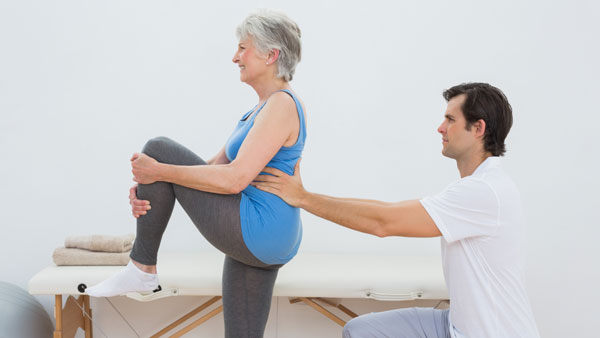
7. PHYSICAL THERAPY

A physical therapist specializes in human movement, and can help you greatly with relieving your joint pain.

8. ALTERNATIVE MEDICAL TREATMENTS

Alternative medical practices such as acupuncture and Bikram yoga can not only enhance the range of movement of your joints, but also help alleviate pain and prevent it.


9. IMMOBILIZE THE AREA

If the pain is too great, attempt to immobilize the area with a splint or brace. This should not be done in all cases, but only if the pain of movement is too great to bear.

10. REST

One of the best ways of alleviating joint pain is to get plenty of rest and relaxation. This will restore energy, as well as allow the body to repair itself naturally. Furthermore, resting in between periods of exercise will allow your body to cope with the demands being made on it, thus preventing potential joint pain.

If you are suffering from joint pain, it is absolutely vital that you schedule an appointment with your doctor as soon as possible in order to properly assess and alleviate your joint pain.

Did You Know- Factors That Keep Bones Healthy

What can you do to keep your bones healthy and strong?

Related image

Bones are truly the emotionally supportive network of the body, so it's super vital to keep them solid and sound. Bones are persistently being separated and reconstructed in modest sums. Before about age 30, when bones regularly achieve crest bone mass, the body is making new bone speedier, yet after age 30, the bone building balance normally moves and more bone is lost than picked up.

A few people have a considerable measure of investment funds in their "bone bank" as a result of elements including hereditary qualities, eating regimen and how much bone they developed as adolescents. The characteristic consumption of bone doesn't influence these fortunate ducks too radically. Yet, in those with a littler bone fortune, when the body can't make new bone as quick as the old bone is lost, osteoporosis can set in, making bones end up noticeably powerless and weak and enabling them to crack all the more effortlessly. The illness is most basic in postmenopausal ladies beyond 65 years old and in men beyond 70 years old.

Components That Keep Bones Strong

  1. The measure of calcium in your eating regimen. An eating regimen low in calcium adds to lessened bone thickness, early bone misfortune and an expanded danger of cracks. 
  2. Physical movement. 
  3. Tobacco and liquor utilize. 
  4. Sexual orientation. 
  5. Measure. 
  6. Age. 
  7. Race and family history. 
  8. Hormone levels. 

Approaches to Build Healthy Bones 

Related image

Lamentably, some are more probable than others to create osteoporosis and feeble bones as a rule (to be specific white and Asian postmenopausal ladies). Likewise sadly, it's dreadfully hard to change your race, sexual orientation or menopausal status. In any case, never fear — there are a few things that can be switched to knock up bone mass. Here are 10 tips to make stores in your bone bank for a more advantageous future.

1. Know your family history - Similarly as with numerous medicinal conditions, family history is a key pointer of bone wellbeing. Those with a parent or kin who has or had osteoporosis will probably create it. "Along these lines, how's your bone thickness, Grandma?" may appear like an unbalanced question at Thanksgiving supper, however ask at any rate before she passes the sauce.

2. Support calcium utilization - At the point when a great many people think bones, they think calcium. This mineral is basic for the best possible improvement of teeth and bones. (Also it's an immense partner in legitimate muscle work, nerve flagging, hormone emission, and circulatory strain.)

Be that as it may, calcium isn't the end-all, be-all bone misfortune cure. The key may be to help the body ingest calcium by matching calcium-rich nourishments with those high in vitamin D. A few reviews on postmenopausal ladies have demonstrated that basically adding calcium alone to the eating regimen doesn't have an enormous effect on bone thickness (however follow-up studies have recommended the inverse).

3. Remember the vitamin D - Where there's calcium, there must be vitamin D: the two cooperate to help the body retain bone-boosting calcium. Support vitamin D utilization by chomping on shrimp, strengthened nourishments like grain and squeezed orange, sardines, eggs (in the yolks) and fish, or select a vitamin D supplement. Greatist Expert Eugene Babenko proposes getting your vitamin D (particularly vitamin D3) levels checked at your next regular checkup, and to talk about the utilization of supplements with your specialist.

Image result for What can you do to keep your bones healthy and strong?

The body likewise delivers vitamin D when presented to the sun 10 to 15 minutes of introduction three times each week will do. Vitamin D's significance to bone wellbeing has been demonstrated in studies on "occasional bone misfortune"  elderly individuals can lose more bone mass amid the winter as a result of absence of sun introduction. Despite the fact that these and numerous different reviews on bone misfortune taken a gander at elderly individuals particularly, bone wellbeing is about avoidance, so more youthful people ought to get a couple beams to stock up on D.

4. Support bone thickness with vitamin K -Vitamin K is for the most part known for assisting with blood coagulating, however it likewise helps the body make proteins for sound bones. Be that as it may, the correct way vitamin K adds to bone wellbeing is misty. Two reviews on young ladies demonstrated that vitamin K had distinctive impacts: one demonstrated that vitamin K impeded bone turnover, however it didn't have any impact on bone mineral thickness, while the other found the invert.

Another review particularly thought about the impacts of vitamins K and D on calcium assimilation in rats, and it turns out the two vitamins function admirably as a group: vitamin D fortified calcium ingestion in the digestion tracts, while vitamin K lessened the measure of calcium discharged by the body.

Notwithstanding how vitamin K may help, top off on it with nourishments like kale, broccoli, Swiss chard and spinach.

5. Pump up the potassium -Potassium isn't really known for supporting bone wellbeing: it's a mineral that helps nerves and muscles impart and furthermore helps cells expel squander. In any case, it turns out potassium may kill acids that expel calcium from the body.

Contemplates in both pre-and postmenopausal ladies have demonstrated that an eating regimen high in potassium can enhance bone wellbeing. Truth be told, the review including premenopausal ladies demonstrated a 8% distinction in bone thickness between ladies with high potassium consumption and those with low potassium admission.


6. Make practice a need. Truly. Consistent exercise is vital to keep various medical problems under control, and bone wellbeing is no special case. Indeed, carrying on with an inactive way of life is viewed as a hazard calculate for osteoporosis. One review contrasting bone thickness in school ladies and different body weights and movement levels found that competitors with low body weight had the most elevated bone thickness of any gathering in the review, indicating activity (and low body weight) can positively affect bone thickness.

Image result for What can you do to keep your bones healthy and strong?

7. Expend less caffeine. Caffeine has some medical advantages, yet tragically not for our bones. A lot of it can meddle with the body's capacity to ingest calcium. One review demonstrated that drinking more than some espresso every day quickened bone misfortune in subjects who additionally didn't devour enough calcium. Another review (but on elderly ladies) demonstrated that more than 18 ounces of espresso for every day can quicken bone misfortune by contrarily cooperating with vitamin D. So appreciate the java, yet keep it with some restraint and devour enough calcium, as well.

8. Cool it on the alcohol. Be that as it may, similar to caffeine, there's no compelling reason to stop completely. While overwhelming liquor utilization can bring about bone misfortune (since it meddles with vitamin D doing its employment), direct utilization (that is one drink for every day for ladies, two every day for men) is fine and late reviews really indicate it might help moderate bone misfortune. Bottoms up!

9. Stop smoking. Here's yet another motivation to lose the cigarettes: various reviews have demonstrated that smoking can keep the body from proficiently engrossing calcium, diminishing bone mass.

10. Try not to be a space explorer. Not to kill any youth dreams, but rather in light of those a really long time of weightlessness and low-calcium diets, space explorers frequently experience the ill effects of space-actuated osteoporosis. Space-anything sounds sort of great, however space bones certainly aren't: space travelers can lose up to 1% to 2% of their bone mass every month on a mission! For the individuals who essentially should visit the moon, there is a conceivable arrangement: two reviews have found that vitamin K can help work back space travelers' lost bone — more than calcium and vitamin D.

Food That  Are Useful For Your Bones

Image result for Food That Are Useful For Your Bones

General population

Adults need 700mg of calcium a day. You should be able to get all the calcium you need by eating a varied and balanced diet.
Good sources of calcium include:
  • milk, cheese and other dairy foods
  • green leafy vegetables, such as broccoli, cabbage and okra, but not spinach
  • soya beans
  • tofu
  • soya drinks with added calcium
  • nuts
  • bread and anything made with fortified flour
  • fish where you eat the bones, such as sardines and pilchards
  • Although spinach might appear to contain a lot of calcium, it also contains oxalic acid, which reduces calcium absorption, and it is therefore not a good source of calcium.
  1. It is difficult to get all the vitamin D we need from the diet and we get most of our vitamin D from the action of the sun on our skin.
  2. Short daily periods of sun exposure without sunscreen from late March/April to the end of September are enough for most people to make enough vitamin D.
  3. However, everyone is advised to consider taking a daily vitamin D supplement.
  4. Good sources of vitamin D:
  5. oily fish, such as salmon, sardines and mackerel
  6. eggs
  7. fortified fat spreads
  8. fortified breakfast cereals
  9. some powdered milks
If you've been diagnosed with osteoporosis, your doctor may prescribe calcium and vitamin D supplements as well as osteoporosis drug treatments if they have concerns that your calcium intake may be low. Find out more in treating osteoporosis.

At-risk groups

Image result for EAT Pulses FOR BONE

Some groups of the population are at greater risk of not getting enough vitamin D, and the Department of Health recommends that these people should take daily vitamin supplements. These groups are:
all babies and young children, from birth to one year of age, exclusively or partially breastfed from six months to five years old unless they are having 500ml or more a day of infant milk formula
all children aged one to four years old
  • people who are frail or housebound
  • people who are confined indoors, such as a care home
  • people who usually wear clothes that cover up most their skin when outdoors
  • people with dark skin such as those of African, African-Caribbean and South Asian origin
  • Find out more about taking vitamin D supplements.

Menopause

Related image

Women lose bone more rapidly for a number of years after the menopause when their ovaries almost stop producing oestrogen, which has a protective effect on bones. There are no specific calcium or vitamin D recommendations for the menopause, however a healthy balanced diet, including calcium and vitamin D, will help slow down the rate of bone loss.

Vegans

Related image
  1. Non-vegans get most of their calcium from dairy foods (milk, cheese and yoghurt), but vegans can get it from other foods.
  2. Good sources of calcium for vegans include:
  3. fortified soya, rice and oat drinks
  4. calcium-set tofu
  5. sesame seeds and tahini

Pulses

Image result for pulses grains EATING BY GIRL

  1. brown and white bread (in the UK calcium is added to white and brown flour by law)
  2. dried fruit such as raisins, prunes, figs and dried apricots
  3. The vegan diet contains little, if any, vitamin D without fortified foods or supplements so try to get sufficient sunlight exposure during the UK summer.
  4. Vegan sources of vitamin D are:
  5. exposure to summer sunshine – remember to cover up or protect your skin before it starts to turn red or burn (see sunlight and vitamin D)
  6. fortified fat spreads, breakfast cereals and soya drinks (with vitamin D added)
  7. vitamin D supplements
  8. During pregnancy and when breastfeeding, women who follow a vegan diet need to make sure they get enough vitamins and minerals for their child to develop healthily. Read vegetarian and vegan mums-to-be for more information.
  9. If you're bringing up your baby or child on a vegan diet, you need to ensure they get a wide variety of foods to provide the energy and vitamins they need for growth. Read vegetarian and vegan babies and children for more information.
  10. Too much vitamin A
  11. Some research has suggested a link between vitamin A and osteoporosis. As a precaution, people who regularly eat liver (a rich source of vitamin A) are advised not to eat liver more than once a week, or take supplements containing retinol (animal form of vitamin A).
  12. People at risk of osteoporosis, such as postmenopausal women and older people, are advised to limit their retinol (including those containing fish liver oil) intake to no more than 1.5mg a day by eating less liver and avoiding supplements containing retinol.
  13. soya drinks with added calcium.
  14. nuts.
  15. bread and anything made with fortified flour.
  16. fish where you eat the bones, such as sardines and pilchards.

What Is Thyroid And Symptoms Of Thyroid Disease?

THYROID

Image result for thyroid

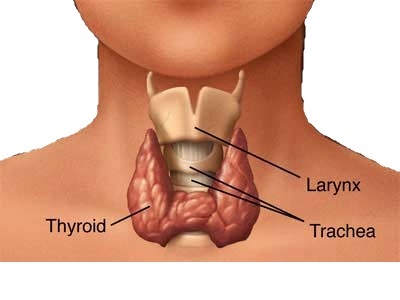
The thyroid is one of the biggest endocrine organs in the body. This organ is found in the neck The thyroid controls how rapidly the body consumes vitality, makes proteins, and how delicate the body ought to be to different hormones

Thyroid Definition

Image result for thyroid

Thyroid can simply be considered as one of your persevering organs, this is the organ, which advises your body how quick to tick over by producing the known hormone called thyroxine. This is the class where generally young ladies must watch out additional, as 1 in 50 ladies without a doubt gets struck by this issue 

What are the three main categories of thyroid diseases? 

Image result for MAIN THREE CATEGORIES OF THYROID DISEASE

Hypothyroidism


This condition is indicated by a dunk in the thyroid hormones in the blood. It happens in the event that one has an underactive thyroid or the organs that control the thyroid glitches, however there are different causes likewise that can prompt this condition. It is generally seen that hypothyroidism influences ladies more than men and deteriorates as one ages. 

Hyperthyroidism


In this condition there is an overdrive of the thyroid hormone in the blood because of an over dynamic thyroid organ that secretes the hormones in wealth. 

Thyroid development


In this condition thyroid sickness happens because of the auxiliary changes in the organ like a growth or knobs showing up on the organ. There can be amiable growths created or cancerous ones in form of knobs. Growth of the thyroid organ is frequently named as goiter. Goiter can now and again be unnoticeable and at different circumstances, it can prompt unusual development that may require surgical evacuation of the organ. 

What are the absolute most normal thyroid issue? 

Goiters

A goiter is a lump in the neck. A dangerous goiter is related with hyperthyroidism, and a non-poisonous goiter, otherwise called a straightforward or endemic goiter, is brought on by iodine lack. 

Hyperthyroidism

Image result for Hyperthyroidism

Hyperthyroidism is brought on by an excessive amount of thyroid hormone. Individuals with hyperthyroidism are regularly delicate to warm, hyperactive, and eat unreasonably. Goiter is in some cases a reaction of hyperthyroidism. This is because of an over-fortified thyroid and aggravated tissues, separately. 

Hypothyroidism

Hypothyroidism is a typical condition described by too minimal thyroid hormone. In newborn children, the condition is known as cretinism. Cretinism has intense reactions, including anomalous bone formation and mental impediment. In the event that you have hypothyroidism as a grown-up, you may encounter affectability to frosty, little craving, and a general drowsiness. Hypothyroidism regularly goes unnoticed, in some cases for years, before being analyzed. 

Lone thyroid knobs

Solitary knobs, or knots, in the thyroid are entirely normal indeed, it's evaluated that the greater part the populace will have a knob in their thyroid. The considerable larger part of knobs are amiable. Typically a fine needle yearning biopsy (FNA) will decide whether the knob is cancerous. 

Thyroid cancer

Related image

Thyroid cancer is genuinely normal, however the long haul survival rates are great. Periodically, symptoms, for example, raspiness, neck torment, and augmented lymph hubs happen in individuals with thyroid cancer. Thyroid cancer can influence anybody at any age, however ladies and individuals more than thirty are well on the way to build up the condition. 

Thyroiditis

Thyroiditis is an irritation of the thyroid that might be related with irregular thyroid capacity . Irritation can make the thyroid's cells pass on, making the thyroid not able to create enough hormones to keep up the body's typical digestion. There are five sorts of thyroiditis, and the treatment is particular to each. 

What are the signs of underactive thyroid?

Image result for SIGN OF UNDERACTIVE THYROID


  • Weariness in the wake of resting 8 to 10 hours a night or expecting to sleep day by day. 
  • Weight pick up or the failure to shed pounds. 
  • State of mind issues, for example, temperament swings, uneasiness or dejection. 
  • Hormone uneven characters, for example, PMS, unpredictable periods, barrenness and low sex drive. 
  • Muscle torment, joint torment, carpal passage disorder, or tendonitis. 
  • Frosty hands and feet, feeling icy when others are not, or having a body temperature reliably underneath 98.5. 
  • Dry or breaking skin, fragile nails and inordinate male pattern baldness. 
  • Clogging. 
  • Mind issues, for example, cerebrum mist, poor fixation or poor memory. 
  • Neck swelling, wheezing or raspy voice. 
  What are the normal symptoms of thyroid disease ?

Image result for symptoms of thyroid disease

  • Nervousness and tremor: These symptoms, alongside tumult, can flag an overfunction of the thyroid organ (hyperthyroidism).
  • Menstrual changes: Hypothyroidism is now and again connected with over the top or delayed menstrual dying, while hyperthyroidism can be portrayed by insufficient or decreased menstrual stream.
  • Racing heartbeat: An expanded heart rate (tachycardia) and palpitations can be symptoms of hyperthyroidism. 
  • Aches and pains: Muscle hurts and torment can go with various sorts of thyroid issues. 
  • Weight gain: An unobtrusive measure of weight pick up frequently goes with conditions in which thyroid organ movement is lower than typical. 
  • Elevated cholesterol levels: An expansion in blood cholesterol levels can happen in people with hypothyroidism. 
  • Heat intolerance: People with an overactive thyroid organ regularly gripe of prejudice to higher temperatures. 
  • Feeling cold: Conversely, those with an underfunctioning thyroid may feel always icy.